

Iseult Daly
Legal Fellow
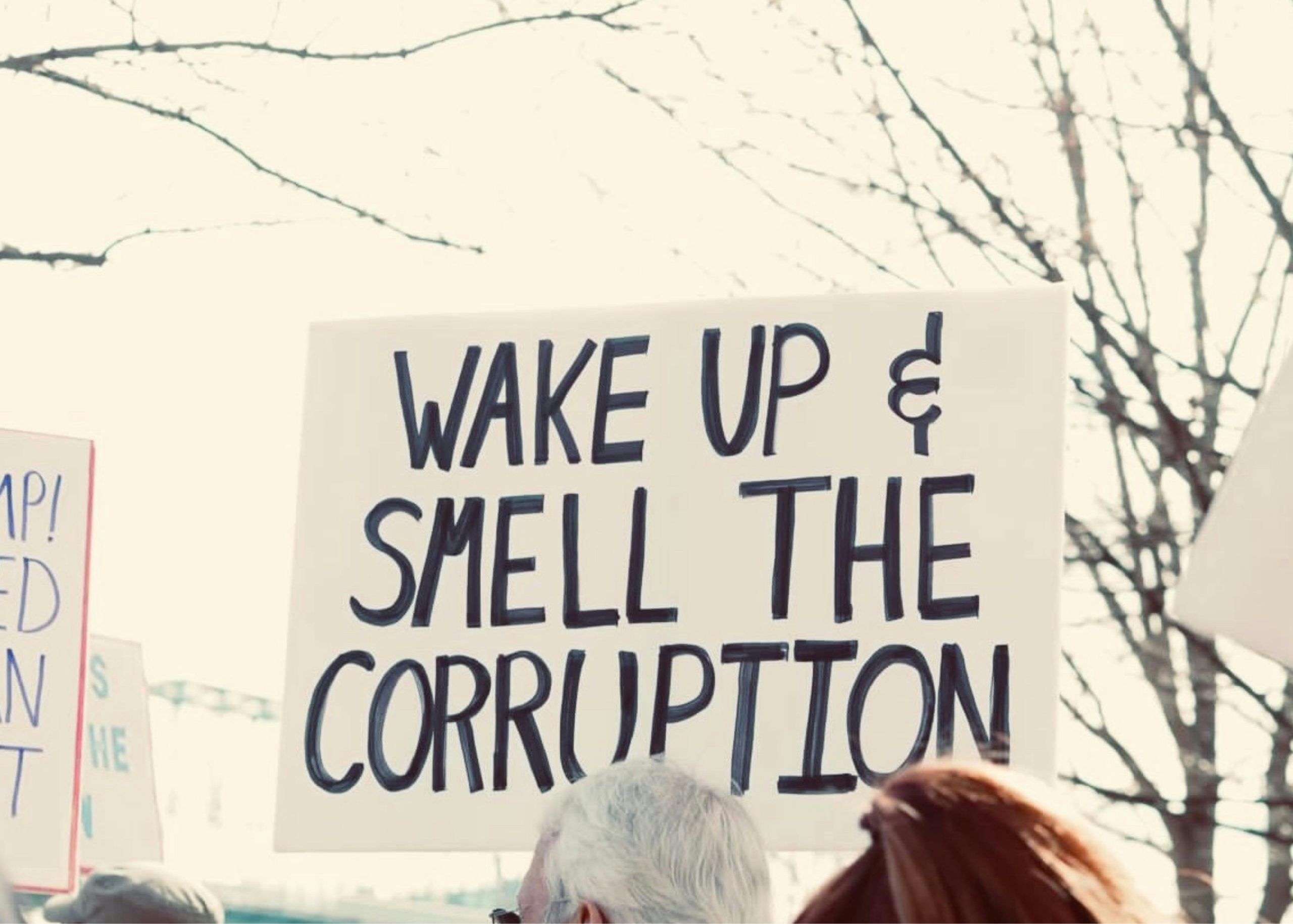
Public perceptions of corruption around the world are the worst they have been in over a decade. Transparency International’s recent Corruption Perception Index indicates that since 2012, only 31 of the 182 countries studied have significantly improved in terms of the public’s perception of corruption, while the rest have stagnated or been losing public trust.
Corruption is an incredibly thorny issue to tackle. As it fundamentally tears away at the roots of public confidence in key state organs, vicious cycles of institutional distrust can be easily created. How can citizens hope for change when the very agents empowered to design, implement and enforce laws are the first to undermine them? Given these challenges, many are cynical that top-down global treaties are a viable solution to improve compromised domestic legal systems when faced with unwilling political actors.
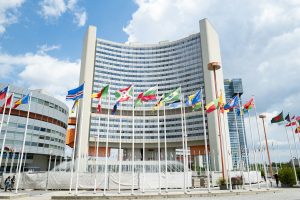
To date, global anti-corruption efforts have primarily focused on the UN’s Convention Against Corruption (UNCAC) – the only universally binding anti-corruption treaty in existence. For twenty years now, the Conference of State Parties (CoSP) to the UNCAC has reviewed the Convention’s implementation and worked together to develop guidelines and resources to help countries fight corruption.

It’s most important tool in this work has not been the strict legal enforcement of the UNCAC itself, but the creation of a Implementation Review Mechanism (IRM), which operates on a voluntary basis. This approach, although allowing more leeway for uncooperative countries to shirk their responsibilities, recognises that an issue as pernicious as institutional corruption cannot be fixed through simple legal enforcement. Instead, the tool recognises that diplomatic peer pressure, technical cooperation and, most importantly, the engagement of civil society are all necessary components for change.
Indeed, a major factor in the success of the IRM so far has involved the engagement and supervisory work of local civil society organisations (CSOs). These groups’ persistent investigating, reporting and raising awareness on domestic transgressions has helped build a bridge between the local and the international – one capable of building authoritative pressure on States’ to change from both sides. CSOs also contribute significantly to the technical understanding of corruption at a global level and the strategies needed to fight against it. This in turn works to improve the precision and helpfulness of the internationally designed guidelines.
For example, at a recent regional meeting of the Global Civil Society Coalition to the UNCAC attended by Just Access e.V., the Kosovo Law Institute and Moldovan Centre for Analysis and Prevention of Corruption both presented their successes in curbing institutional corruption through their monitoring of thousands of court hearings. Such monitoring allowed them to detect problems in procedural fairness, transparency and judicial effectiveness across the country, identify national patterns and generate recommendations for the domestic prosecutorial services or judicial councils. Both CSOs highlighted the value of international experience and resource sharing in developing evidence-based recommendations for improved transparency in their countries.
So if the signing of one international legal instrument might appear to do little to change States with dysfunctional institutions, the UNCAC’s strength lies in its experience-refined diplomatic approach and its symbiosis with local CSOs.

This conclusion makes the next year crucial. On occasion of the IRM’s 15-year anniversary, the CoSP has given the Implementation Review Group (IRG) the mandate to develop the next phase of a more inclusive and transparent IRM. A new self-assessment checklist is being drawn up, new documents are being suggested as part of the review process and new guidance on submission is being drafted. This second phase of the IRM is set to be adopted at the next Special Session of the CoSP,in November 2026.
The Global Civil Society Coalition sees this window as a vital opportunity to push for the institutionalisation of CSO’s and civil stakeholders’ participation in States’ corruption review process. This is a chance to further solidify the bridge between the local and international efforts against corruption and make accountability more effective.
There are many ways to help achieve this goal, including by making written submissions to the CoSP ahead of the November 2026 session, producing civil society parallel reports and/or organising special events around that time to emphasise the importance of CSO involvement in the fight against corruption. The Coalition has recently put out a call for applications offering technical and limited financial support to CSOs looking to produce parallel reports. Visit the Coalition’s official website here to better understand their advocacy efforts and how best to coordinate your messages to the wider effort.
When corruption goes unpunished, it threatens the very foundations upon which human rights systems are built. In a decisive time for UNCAC implementation, the central role CSOs have to play in reinforcing the review process must be written into the process itself to secure more transparent, inclusive and effective justice.
Support our work!
We can only do our work thanks to the support of brave, passionate people like you!
Your donation will help us to keep fighting for human rights and access to justice for everyone, everywhere.