


David Mehlorn
Legal Intern
Since when is counter-terrorism a bad thing?
Fighting terrorism can hardly be imagined as a bad thing. But what if the “terrorist” is only speaking up for their rights? What if the “terrorist” is a victim of human rights violations? What if the “terrorist” is a human rights lawyer, activist, or journalist fighting for access to fundamental rights?
The HRC61 Side Event on the topic of Host State’s responsibility to prevent and respond to transnational repression, which I attended on behalf of Just Access, e.V., revolved around these questions. Attending inspired the following blog post which gives an overview of how (mostly authoritarian) regimes use “counter-terrorism” to legitimise transnational repression and pressure host-states into helping them, as well as what can be done to combat this issue.
Why do States repress their citizens in other countries?
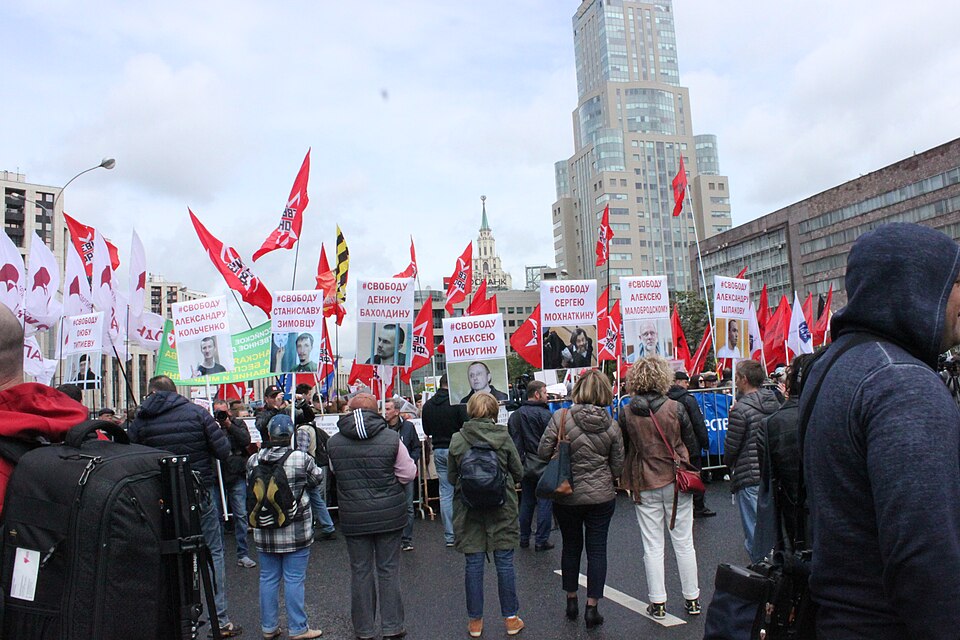
The “[a]ctions I take in London […] have direct implication to my own family in Bahrain. It is extremely hard to understand it until you are hit with that reality”, stated Sayed Ahmed al-Wadaei, Director of Advocacy, Bahrain Institute for Rights and Democracy (BIRD) and Speaker for the HRC61 Side Event.
The victims of transnational repression (TNR) are not the only targets of repression, often so are their families and all the people in whose name these activists or journalists speak. Criticised States therefore have an interest in shutting down these targets. TNR is not a new tactic, but a growing one that has been enhanced by the advancement of technology, facilitating mass surveillance, target acquisition, and digital harassment and in return impeding the ability to identify and backtrace transnational repression
How counter-terrorism is an instrument for TNR
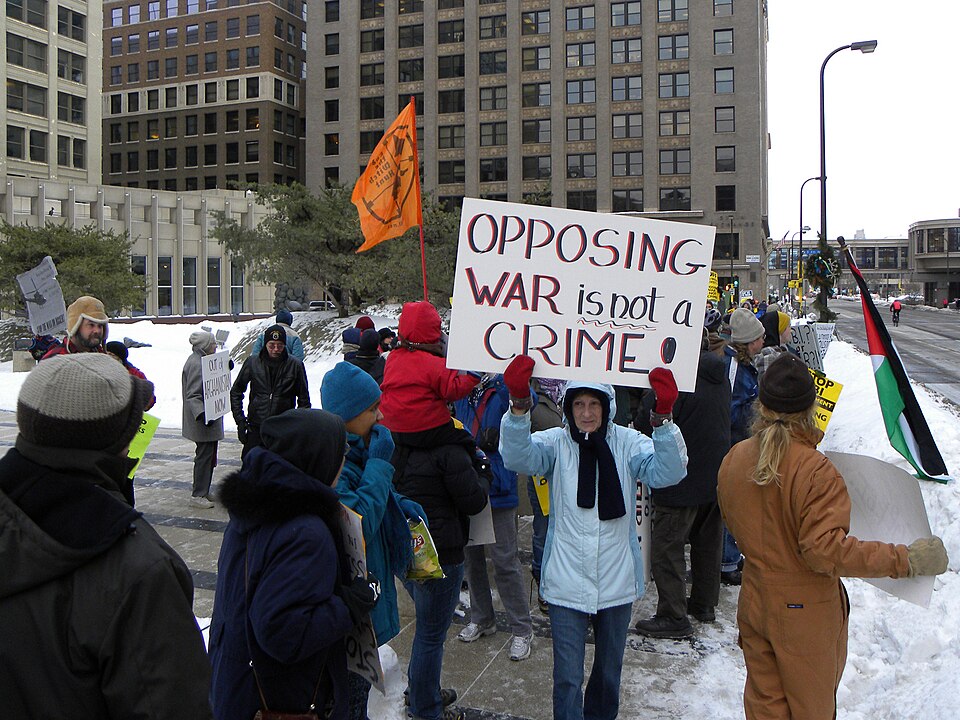
In the global fight against terrorism, States commonly use terrorist lists to communicate possible offenders and dangers. If someone is marked as such, it is easier to cooperate in their surveillance and deportation or carry out other measures. The potential for misuse is evident and common.
In fact, a Freedom House report from 2022 states that 53 per cent of victims of physical transnational repression have been marked as terrorist suspects. The report further elaborates that Xenophobic or Islamophobic biases are often points of contact to provoke security concerns in host States and urge them to fight presumed terrorism. These problems are then conveniently resolved by deporting targets instead of examining these accusations.
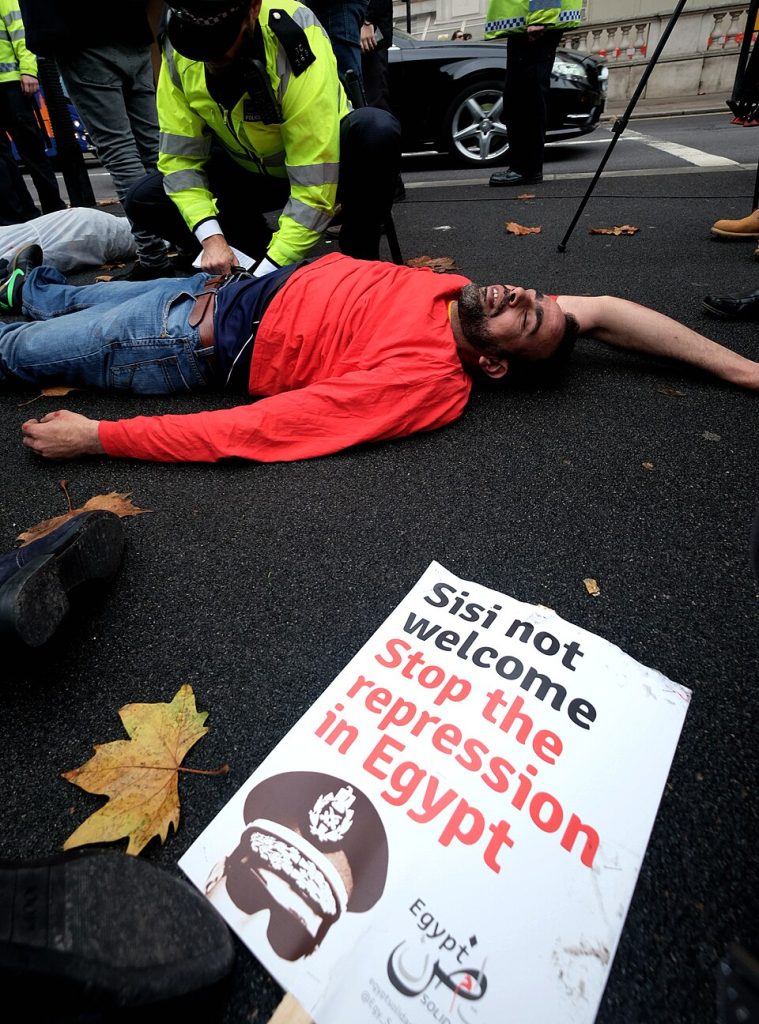
Even Interpol’s Red Notice Programme, which allows States to issue worldwide measures like provisional arrests, deportations, or limits to travelling abilities based on national or international violations, has been misused for transnational repression purposes. Interpol’s financial inability to scrutinise every report has been exploited for the unlawful deportation and detention of political activists by countries like China, Russia, Turkey, Tajikistan, Azerbaijan…
Combatting counter-terrorism disguised TNR
Ben Saul, UN Special Rapporteur on counter-terrorism and human rights and Speaker at the HRC61 Side Event, gives five suggestions for host States to combat this type of TNR:
- States should not automatically recognise foreign terrorist listings, especially in the absence of source information; it must be ensured that terrorism definitions, listings, and laws comply with international law.
- Extradition and mutual assistance requests must be subjected to rigorous scrutiny of the foreign terrorism charges.
- States should scrutinise claims that asylum seekers and refugees are terrorists that fall foul of the refugee convention exclusion clauses, the exception to non-refoulement, or the expulsion clause under the Refugee Convention.
- States must ensure adequate regulation of new technologies that are deployed to counter terrorism, including those that cannot be used in compliance with human rights, or that pose unacceptable risks.
- States must strengthen and formalise safeguards on cross-border information sharing by all authorities, and ensure effective independent oversight and accountability.
Furthermore, host states should share intelligence and cooperate in the fight against TNR. They should publicly speak out against States exercising TNR and impose sanctions on them. By preventing transnational repression packaged as counter-terrorism efforts, States would encourage the world of activists to stand up for the rights of victims without fear and pave the way to combating real terrorism.
Support our work!
We can only do our work thanks to the support of brave, passionate people like you!
Your donation will help us to keep fighting for human rights and access to justice for everyone, everywhere.