

Luca Brocca
Head of Legal Research
Imagine an army that fires cruise missiles its own government did not authorise, and whose own diplomats learn of the strike from the news. Is the State responsible for what that army does?
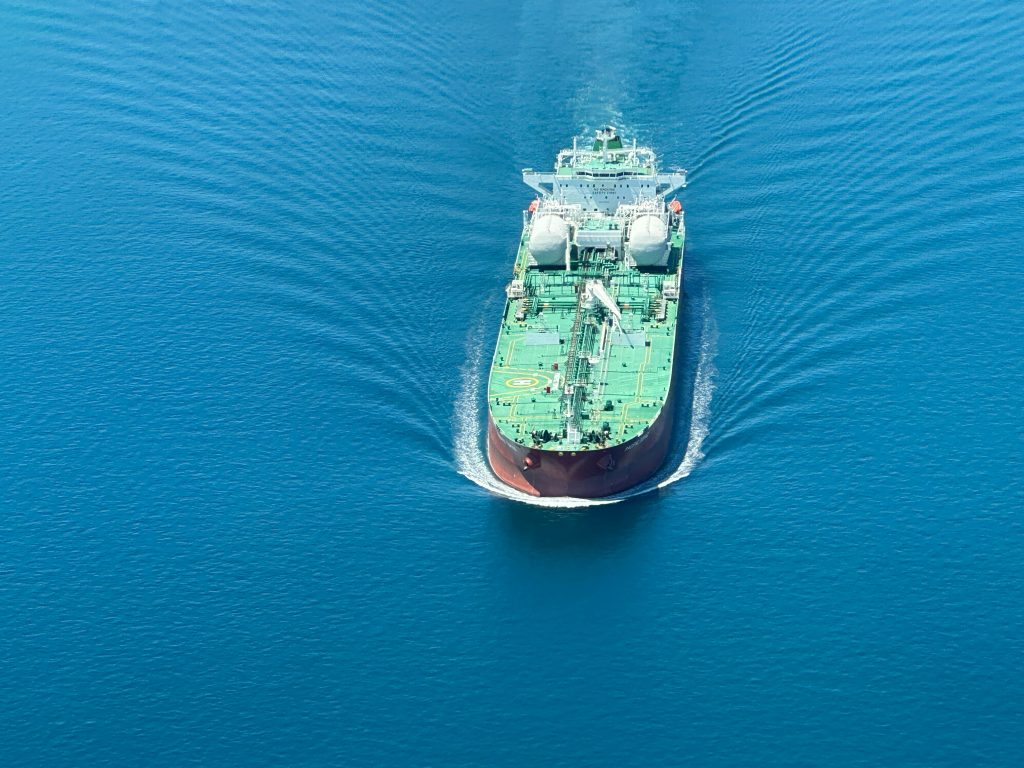
On the 14th of July 2026, two crude oil tankers, the Mombasa B and the Al Bahyah, were struck by Iranian cruise missiles in the southern lane of the Strait of Hormuz. One Indian seafarer was killed. Eight further crew members, six Indian and two Ukrainian, were injured, and three men remain missing.
If the IRGC has broken free of the institutions meant to control it, has Iran been released along with it?
The strike was carried out by the Islamic Revolutionary Guard Corps (IRGC). Routinely described as a State within a State, the IRGC is a military force, an intelligence service, and an economic conglomerate all at once. It answers to the Leader rather than to the elected government, and has reportedly blocked presidential appointments and forced Iran’s own chief negotiator off Iran’s own negotiating team.
So the question is: if the IRGC has broken free of the institutions meant to control it, has Iran been released along with it?
An organ is an organ
The answer is no, and the law here is unusually clear.
Article 4 of the Articles on the Responsibility of States for Internationally Wrongful Acts (ARSIWA) provides that the conduct of any State organ is an act of the State. An organ is any entity having such status under the State’s own internal law. The IRGC is established by Article 150 of the Iranian Constitution, and its chief commander is appointed and dismissed by the Leader under Article 110.
Article 7 of the ARSIWA closes the remaining door. Conduct stays attributable even where the organ exceeded its authority or contravened instructions. These rules exist for exactly this situation: a State which has let an armed organ become ungovernable cannot hide behind its indiscipline.
Finally, Article 11 of the ARSIWA catches anything left over. Where a State acknowledges and adopts conduct as its own, it becomes its own. Iran’s Foreign Minister and the Speaker of its parliament have defended the attacks on shipping as legitimate enforcement of an international agreement rather than as breaches of it.
The fact that decides the case
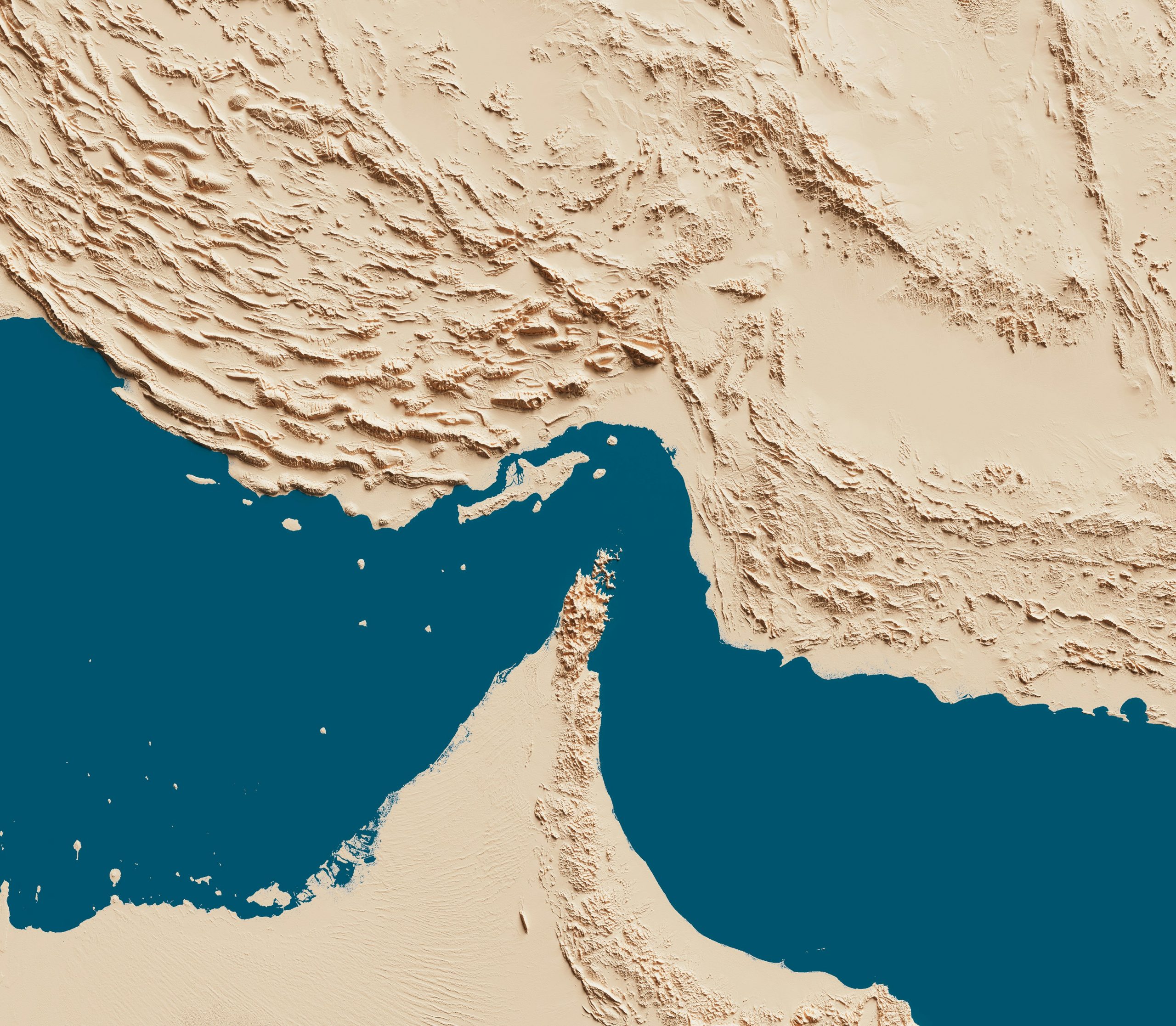
With attribution settled, was the attack lawful? Everything turns on one geographical fact: the ships were inside the territorial sea of Oman, which is not a party to the conflict.
The San Remo Manual provides in paragraphs 14 to 16 that the territorial sea of a neutral State is neutral water, and that attacks there by belligerent forces are forbidden.
A State which has let an armed organ become ungovernable cannot hide behind its indiscipline.
Every argument the IRGC has advanced aims to show that these ships were liable to attack under paragraph 67 of the Manual, which governs merchant vessels flying neutral flags. But paragraph 67 operates only outside of neutral waters.
The defences, if we ever reach them
They will be argued anyway, so they are worth mentioning. Potential defences the IRGC may claim include ones related to a blockade, contraband, warning, and automated system failures.
But a claim fails: A blockade must be declared, notified, effective, and applied impartially to the ships of all States. A regime designed to favour friendly vessels is not a blockade, because impartiality is constitutive of the institution.
A contraband rationalisation also fails because contraband requires a published and reasonably specific list, and crude oil bound for civilian markets is not destined for an enemy’s military use.
The warning limb fails because warning a ship does not convert it into a military objective. Destroying it with a cruise missile, with no attempt at a visit or search and no possibility of securing the crew’s safety, satisfies no reading of the rule.
The claim that the ships had switched off their automatic identification systems fails. SOLAS Chapter V and the IMO’s guidelines let a master switch a system off where keeping it on would compromise a ship’s security. The IRGC created the danger which made silence prudent and now invokes that silence to justify the attack.
The IRGC says the vessels entered a mined route, but mining neutral waters is itself prohibited, and no State may rely on its own unlawful act to justify further ones. It says they used an illegal route, but that route is the traffic separation scheme adopted by the IMO in 1968, on a joint proposal by Iran and Oman.
Necessity will not save it
The obvious fallback is necessity under Article 25 of the ARSIWA. It fails on every limb but one: other lawful means existed, impairing a strait carrying a fifth of the world’s seaborne petroleum injures the international community as a whole, and a State which contributed to the situation may not invoke it.
A tribunal which would not accept necessity as the basis for a customs radius will not accept it for a toll gate.
The International Tribunal for the Law of the Sea rejected a near-identical plea in M/V Saiga (No. 2), where Guinea invoked self-protection to justify extending its customs laws over foreign navigation. Its essential interest was revenue. A tribunal which would not accept necessity as the basis for a customs radius will not accept it for a toll gate.
Which returns us to the people on board. The crew of a tanker were civilians. They were not parties to anyone’s war, they did not choose the route, and they were not in a bargaining position.
What is owed
A State responsible for a wrongful act must make full reparation.
Some of that is already out of reach, since no reparation returns the seafarer who was killed. Where restitution is impossible, Articles 34 to 37 of the ARSIWA require compensation for the losses money can measure.
The dead and injured were nationals of India and Ukraine. And Iran, bound by the International Covenant on Civil and Political Rights, owed each of them the right to life and owes the bereaved an effective remedy for taking it.
The cost of choking the Strait of Hormuz travels outward as dearer fuel and food losses are felt first and worst by people who never heard of the Mombasa B and can least afford the difference. For this reason, obligations of this reach are owed erga omnes, and the wrong is one that others, too, have standing to name.
Support our work!
We can only do our work thanks to the support of brave, passionate people like you!
Your donation will help us to keep fighting for human rights and access to justice for everyone, everywhere.